
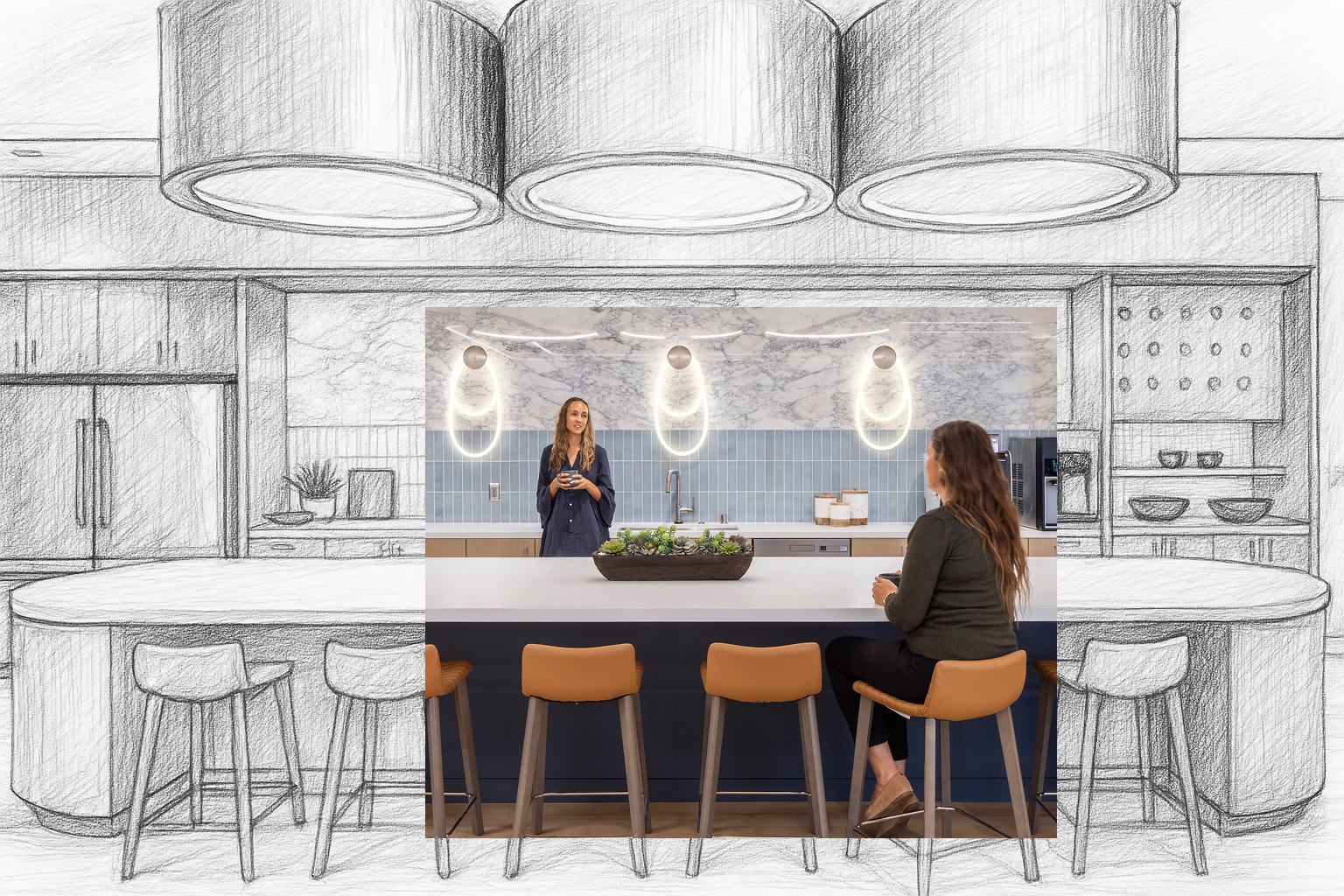
Connecting, collaborating and building company culture cannot be replicated in a virtual world.

Principal and Director of Workplace Strategy, Hendy
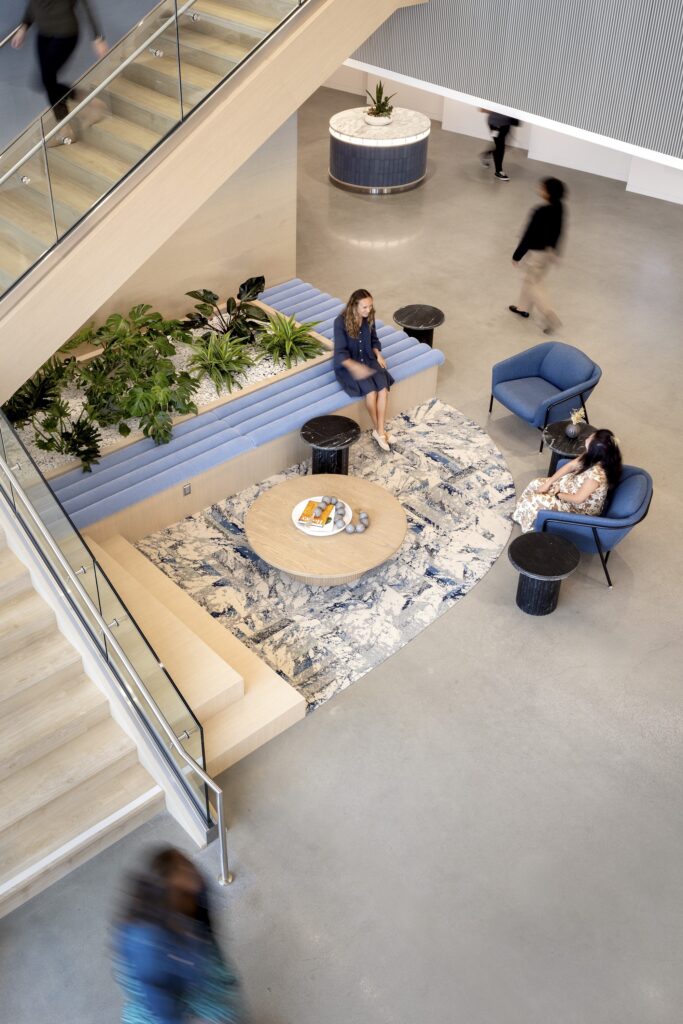
Workplaces offer core elements of what we need as humans: purpose, belonging and community. It’s one reason why the office was never truly “dead” — and for companies that embrace a people-centric design approach, employees find that coming to the office is more than worth the commute.
People-centric design: creating spaces where people want to be
Much of our lives has been virtualized. Dinner, groceries, coffee orders and meetings all happen with the tap of a phone app. These conveniences removed many of the organic interactions we traditionally had with others and eliminated moments of vital connection. The office can play an important role in filling this gap.
Humans are social beings who can bring the best versions of themselves to work when they feel connected and engaged in an environment where they can thrive. In a 2024 Psychology Today article, Harry Cohen explained how “Regular face-to-face interaction helps lower stress, boost mood and increase emotional resilience. When we connect with others, our bodies release oxytocin and dopamine — two powerful chemicals that promote feelings of happiness and well-being.” People-centric design helps make this possible, by moving beyond a mindset focused solely on efficiency to creating places and experiences that are inspiring, comfortable and purpose-built.
The office as a physical manifestation of brand and culture
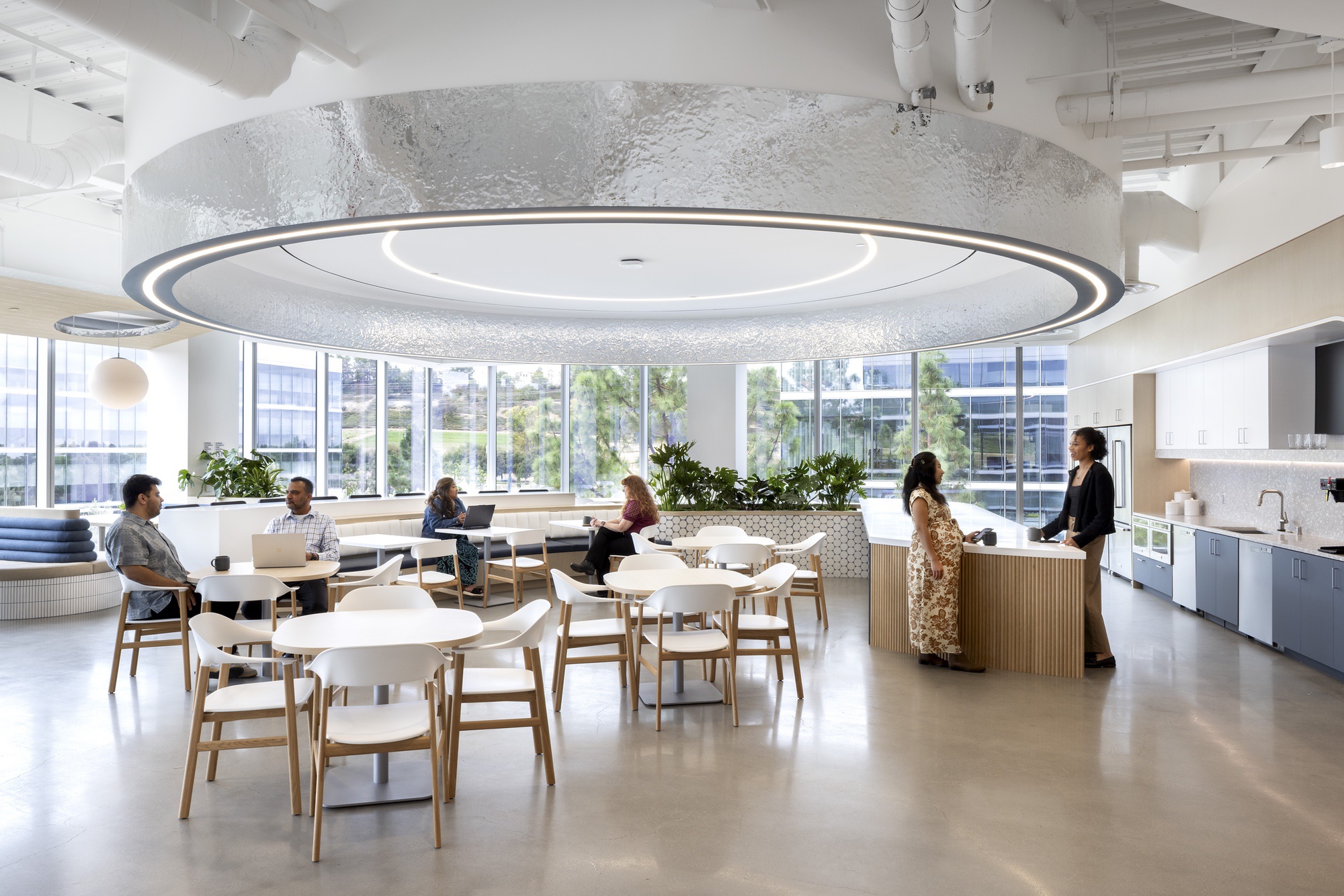
The physical office remains the strongest way to celebrate your brand and culture. Work environments that offer a “vibe” are breeding grounds for creativity and innovation, attracting top-tier talent and then pushing this talent to do its best work, together.
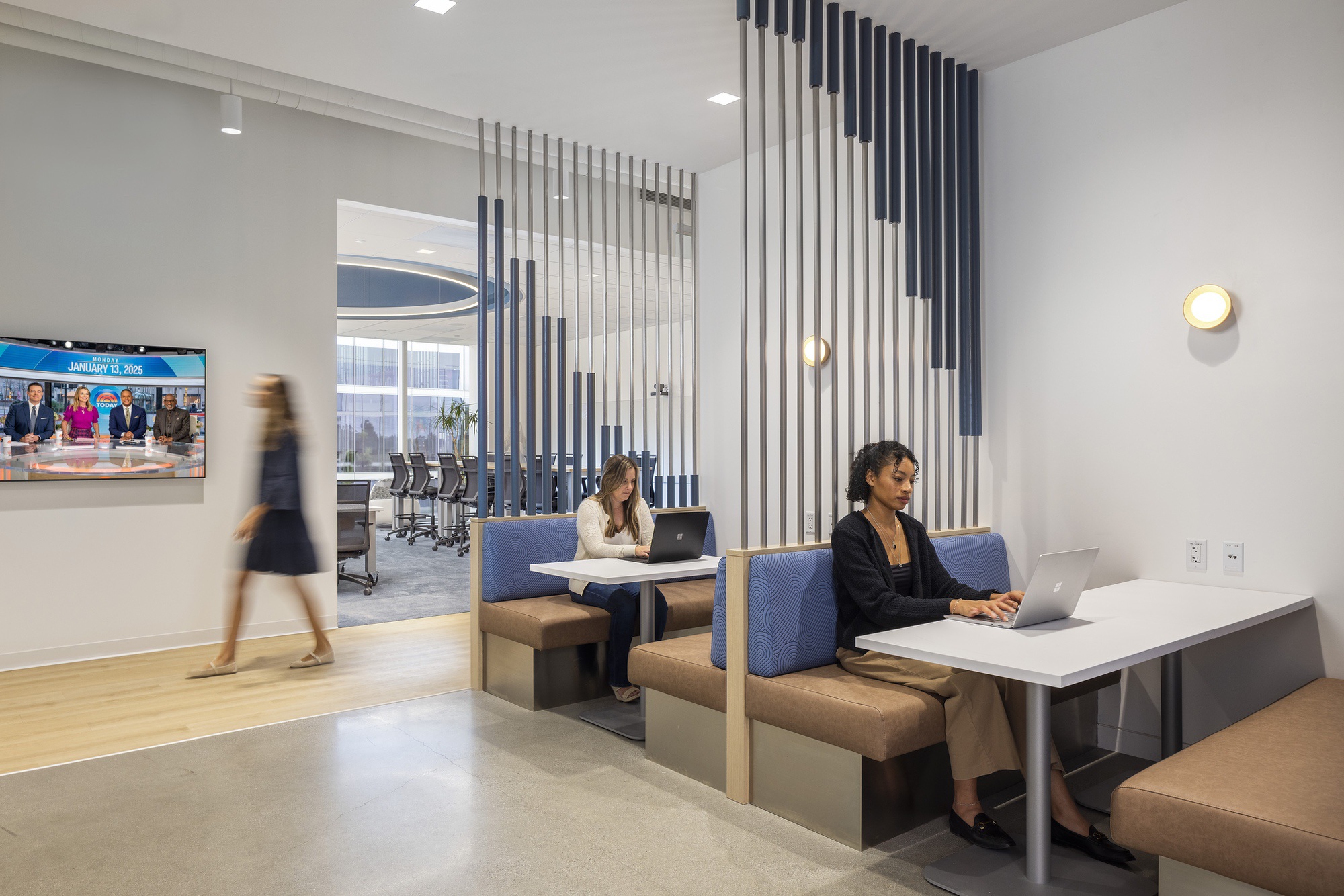
Putting people together in the same room is just the start. To truly maximize the value of the office, companies must think strategically about their space. Does the layout support different ways of working? Does the overall flow of the office encourage moments of interaction from different teams and divisions? When people are empowered to do their best work and can connect with others outside their immediate orbit, this leads to the cross-pollination of ideas and stronger employee ties.
Bringing culture to life
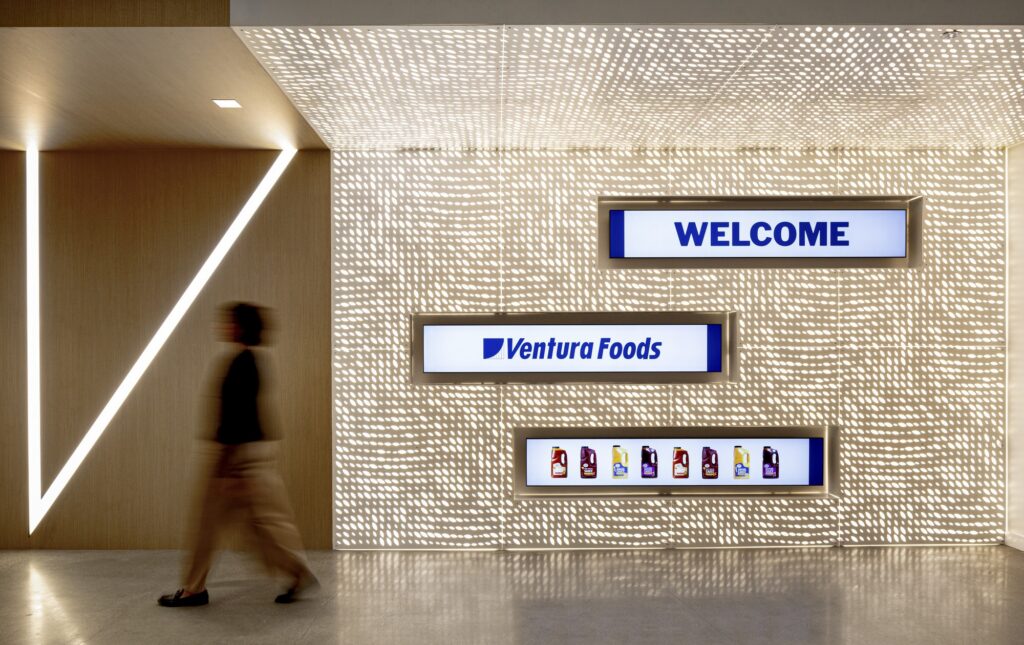
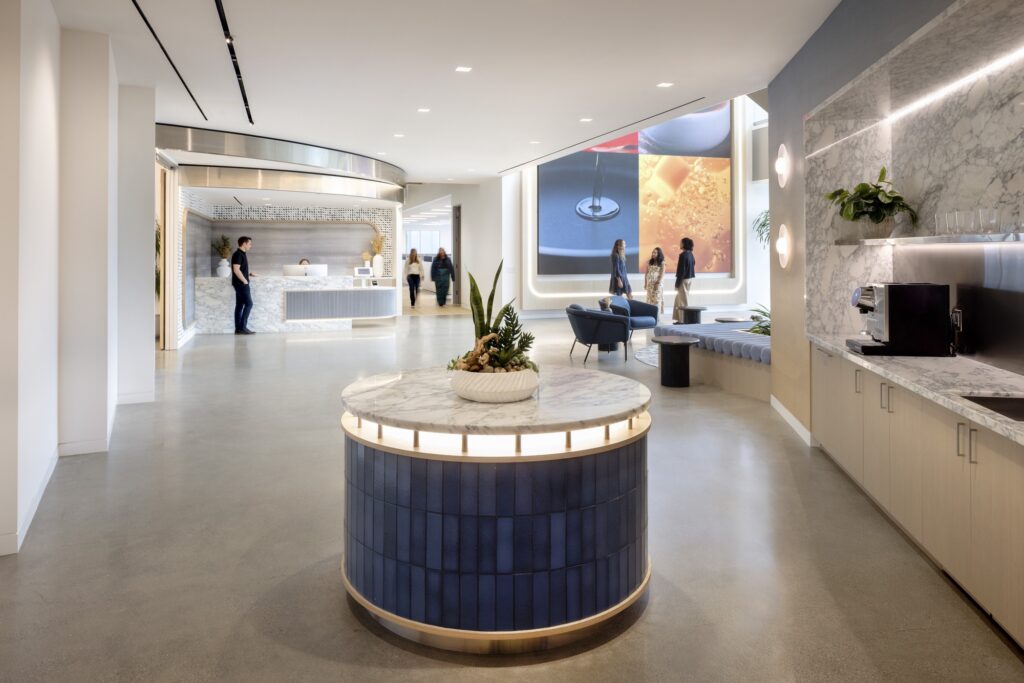
Hendy recently completed offices for Ventura Foods at Spectrum Terrace. In their 52K SF California HQ, people-centric design comes to life through a workplace that feels more like a destination than a corporate office. On-site amenities like Terrace Pool with meeting-ready cabanas, indoor-outdoor fitness center and a Kitchen + Bar with artisan coffee further this experience.
Ventura Foods’ workspace is filled with natural light, sweeping views and foodcentric details that reflect the company’s culture and industry. From a two-story digital display in reception showcasing the many brands they support to a cafe-inspired breakroom and hospitality kitchen, every touchpoint reinforces connection and pride.
Designed to foster collaboration, attract new talent and celebrate the spirit of food, Ventura Foods’ headquarters is a clear example of how people-centric design can create a workplace where employees feel inspired to gather, connect and thrive.
Anna Alm-Grayhek is a Principal/Workplace Strategist at Hendy with 30 years of experience planning and designing commercial offices. She specializes in improving workplace performance by integrating “work anywhere” solutions with technology and behavioral strategies.